
Product Description
Caldron Graphics Textile Inks | Premium Digital Textile Pigment Ink for Fabrics
The Caldron Graphics Textile Ink is a state-of-the-art, water-based pigment ink engineered specifically for high-speed digital textile printing. Designed for Direct-to-Fabric (DTF-Direct) and advanced DTG textile printers, this ink provides an ultra-soft hand feel, brilliant color gamut, and exceptional wash fastness without the cumbersome post-processing required by traditional dye-sublimation or reactive inks. Unlike dye-based textile inks that require massive steamers, extensive washing, and chemical fixers to bond to the fabric, Caldron Graphics pigment textile ink uses advanced nano-binding agents to permanently lock color to both natural and synthetic fibers using only heat. Whether you are printing custom cotton apparel, polyester blends, linen, or rayon, this digital textile ink delivers outstanding coverage, zero ink bleeding, and consistent results. It is the ultimate solution for print-on-demand fashion, custom home textiles, and industrial fabric roll-to-roll printing.
Key Advantages of Caldron Graphics Textile Inks
✔ Ultra-Soft Hand Feel
Formulated with micro-level pigment particles that sit smoothly on top of the fabric fibers. Unlike traditional screen printing plastisol or heavy reactive textile inks, Caldron Graphics ink leaves the fabric feeling breathable, soft, and natural to the touch—crucial for high-end fashion and comfortable apparel.
✔ No Steaming or Washing Required
Traditional textile printing with dye inks requires expensive steamers and industrial washing machines to remove excess dye. Caldron Graphics pigment ink cures instantly with a heat press, calender, or dry heat tunnel. This drastically reduces your equipment footprint, water usage, and production time.
✔ Universal Fiber Compatibility
While sublimation strictly requires polyester, and reactive inks only work on cellulose (cotton), this digital textile ink bonds excellently to Cotton, Polyester, Cotton/Poly Blends, Linen, Viscose, and Rayon. One textile printer can handle virtually any fabric roll or garment you throw at it.
✔ Exceptional Wash & Rub Fastness
Achieves a 4-5 grade on ISO wash-fastness tests. The nano-binders in this textile ink form a flexible, cross-linked matrix around the pigment, ensuring the print resists fading, cracking, and bleeding even after 50+ industrial laundry cycles.
✔ Eco-Friendly & OEKO-TEX Compliant
As a water-based textile ink, it is free from heavy metals, formaldehyde, and APEO chemicals. It meets strict international environmental standards, making it completely safe for printing baby clothing, underwear, and sensitive skin apparel on your digital printing equipment.
✔ High-Speed Jetting Reliability
Precision-milled to sub-micron particle sizes, the ink flows flawlessly through high-density printheads (like Epson i3200-U1 or Ricoh Gen6) at high pass speeds. This anti-clogging textile ink ensures maximum uptime for roll-to-roll wide format textile printers.
Caldron Graphics Textile Inks Technical Specifications
| ITEM | SPECIFICATION |
|---|---|
| Product Name | Caldron Graphics Digital Textile Pigment Ink |
| Ink Type | Water-Based Pigment Ink with Nano-Binders |
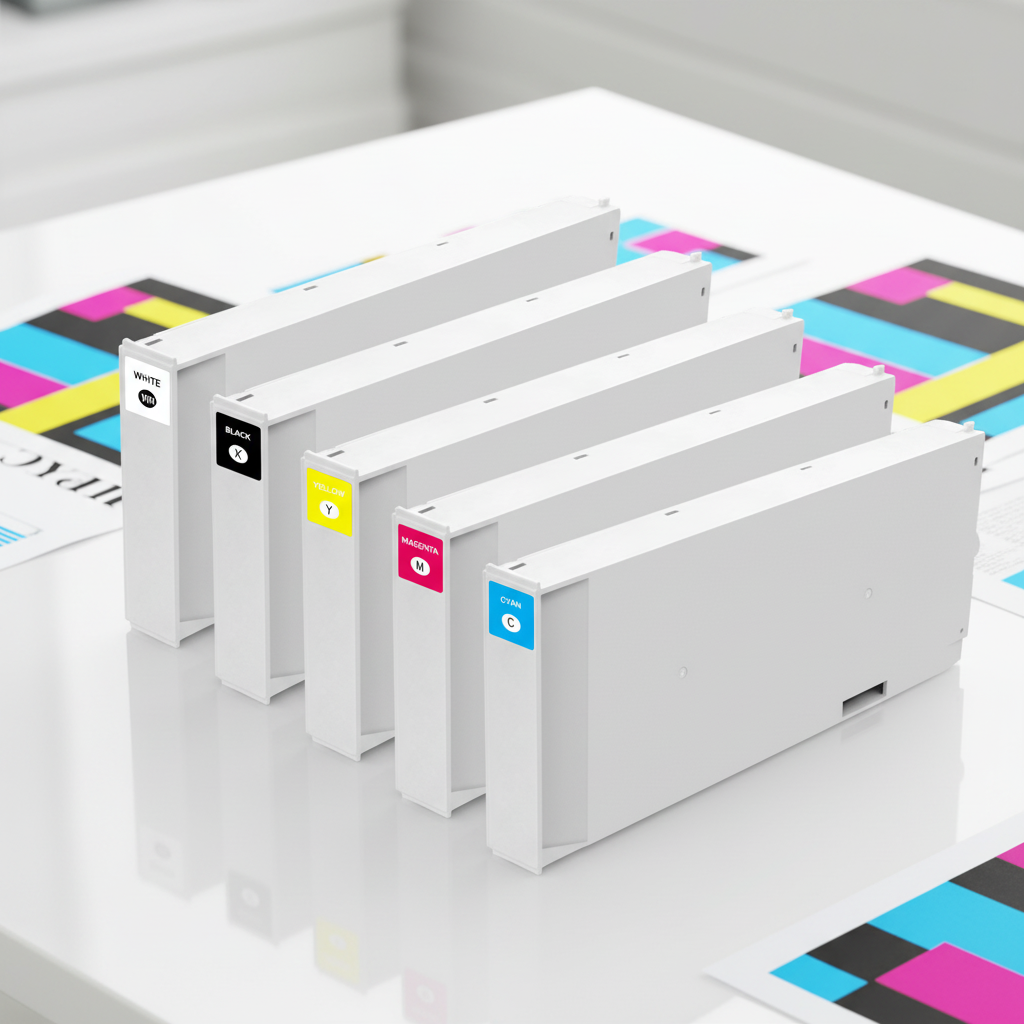
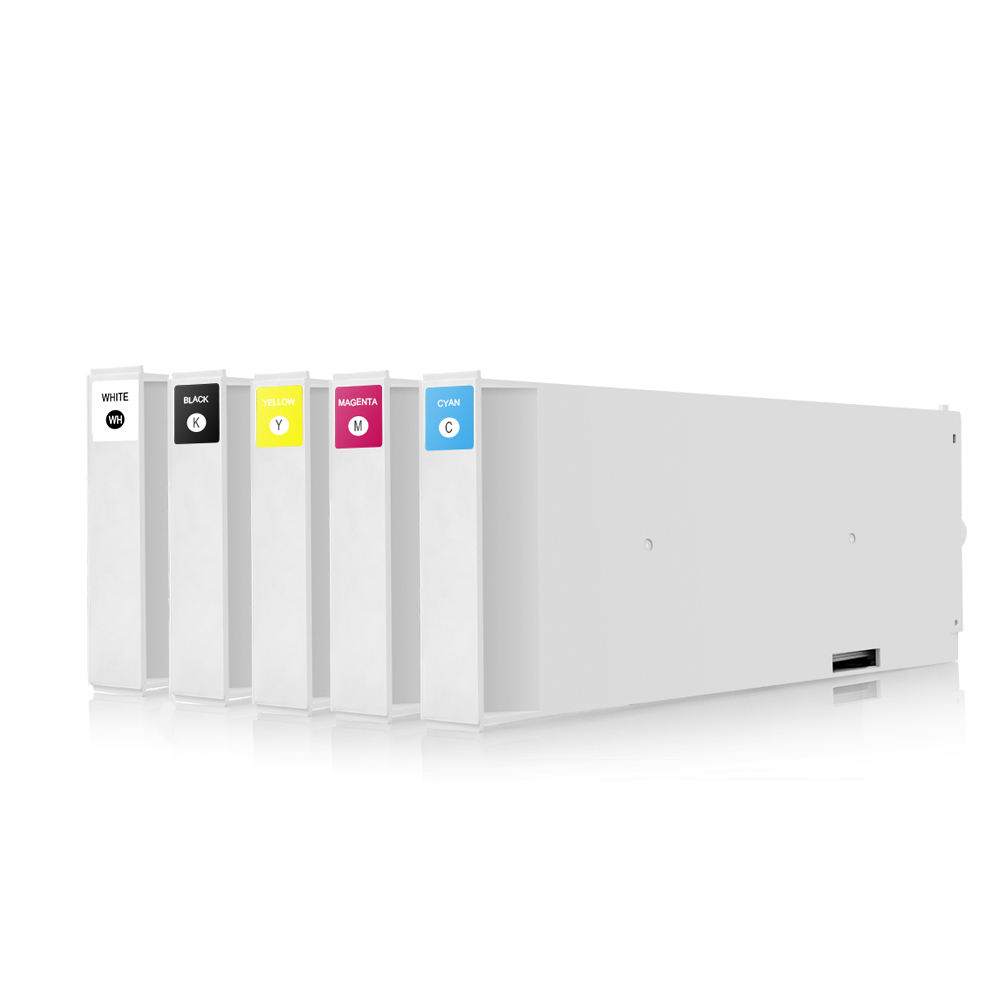
| Color Configuration | CMYK + White (Varies by printer setup) |
| Printhead Compatibility | Epson i3200-U1, Epson 4720, Ricoh Gen5 / Gen6, StarFire |
| Curing Method | Heat Press (150°C-180°C), Calender, or Dry Heat Tunnel |
| Curing Time | 30 seconds – 3 minutes (Depending on heat source) |
| Wash Fastness | Grade 4-5 (ISO 105-C06) |
| Dry/Rub Fastness | Grade 4 (Dry) / Grade 3-4 (Wet) |
| Hand Feel | Ultra-Soft (Comparable to dye-sublimation) |
| Post-Processing | None required (No washing or steaming needed) |
| Shelf Life | 12 – 18 Months (Stored sealed at room temperature) |
| Compatible Fabrics | 100% Cotton, 100% Polyester, Cotton/Poly Blends, Linen, Viscose, Rayon, Canvas |
*For direct-to-garment (DTG) applications on dark garments, a standard textile pre-treatment liquid is required before printing the white ink layer. For roll-to-roll light fabric printing, pre-treatment is generally not needed.