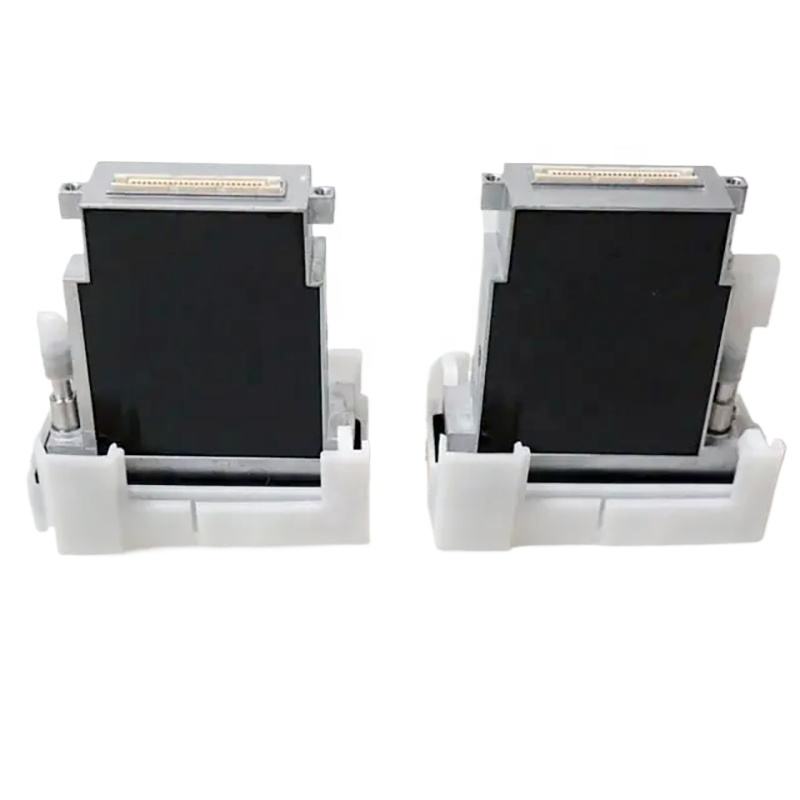
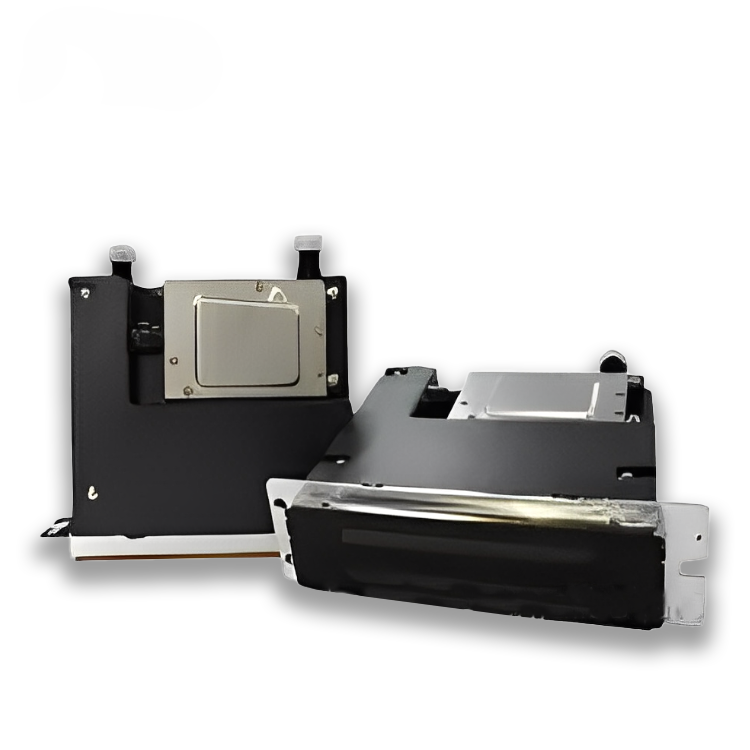
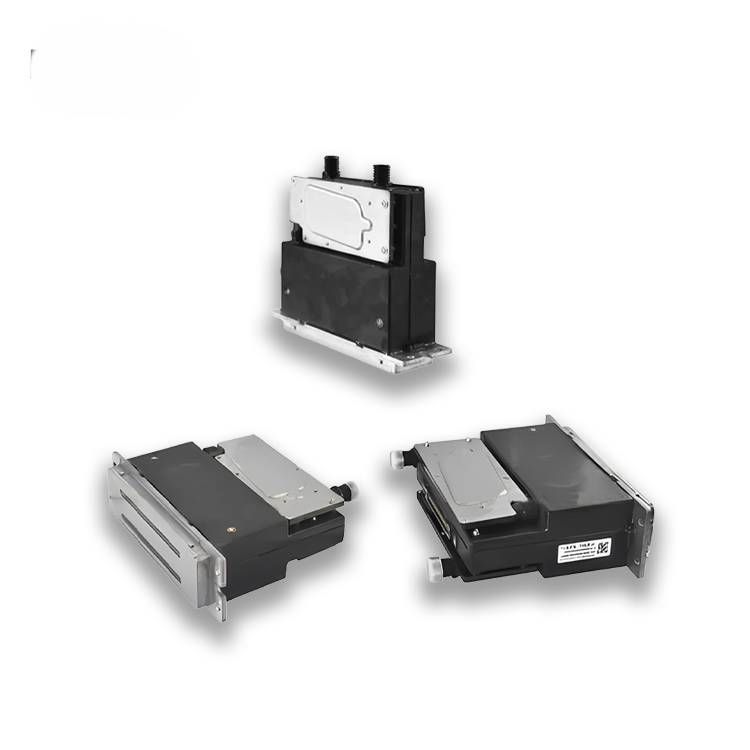
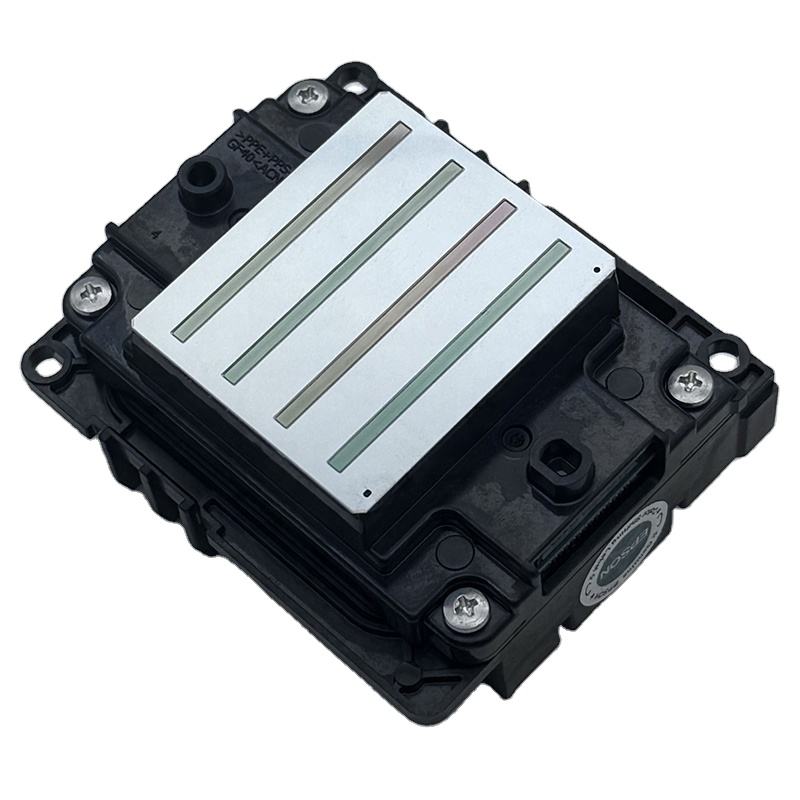
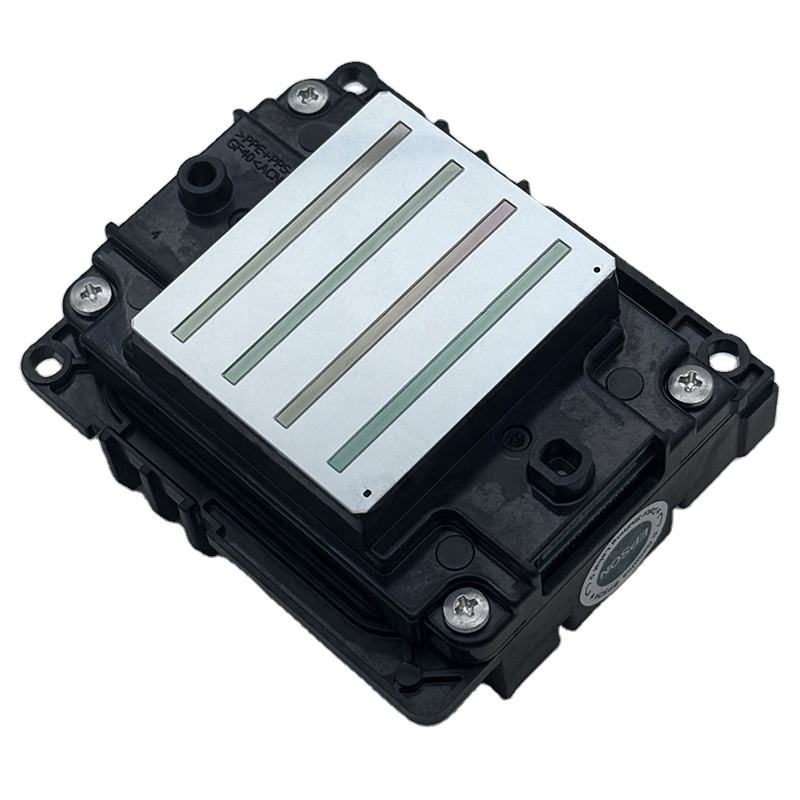
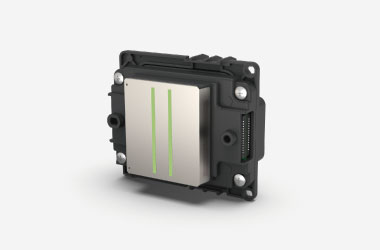
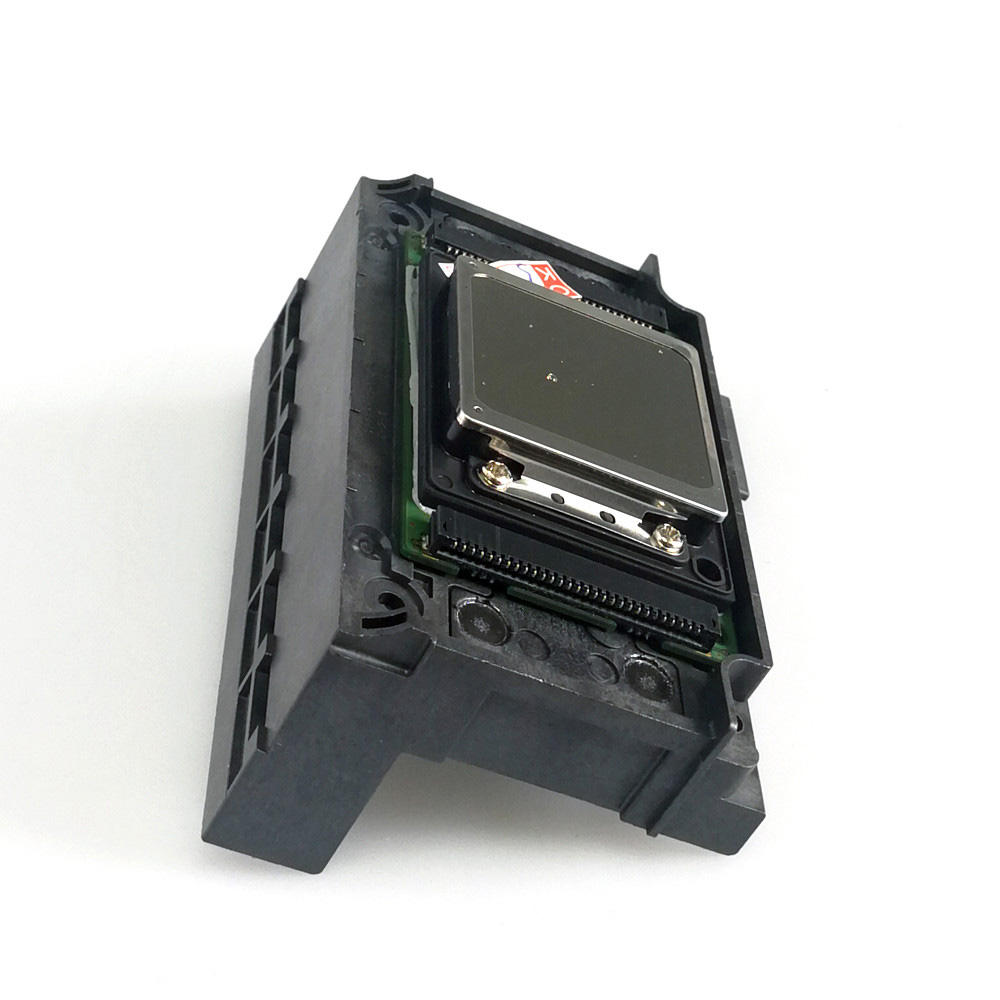
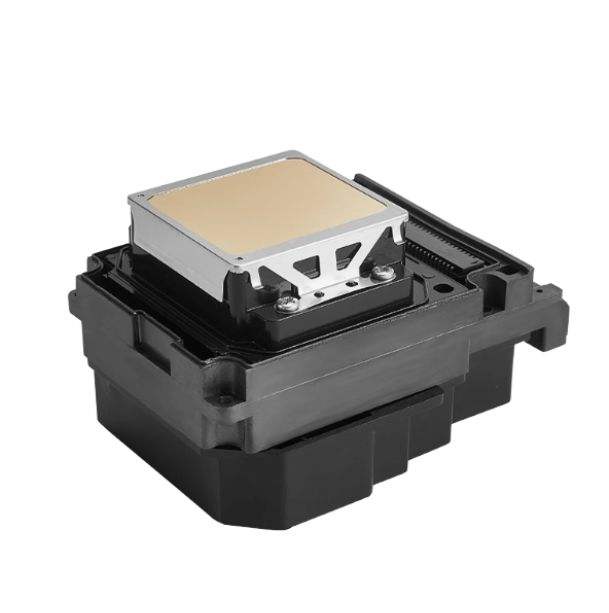
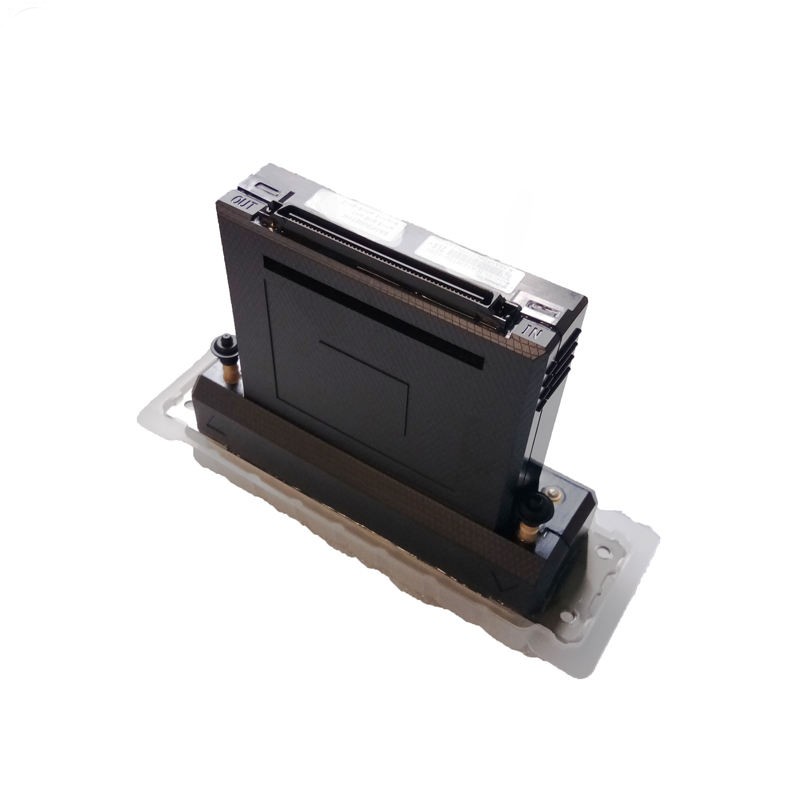
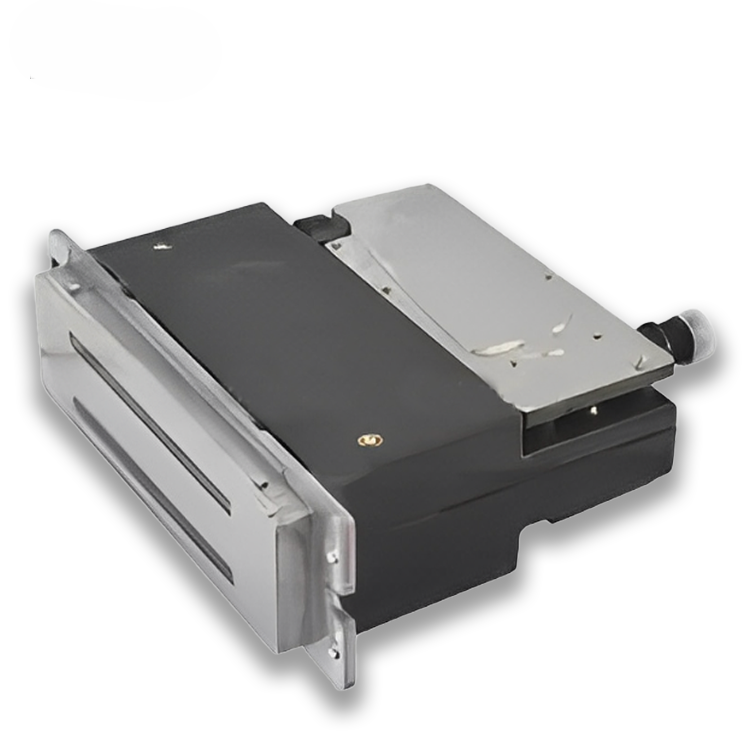
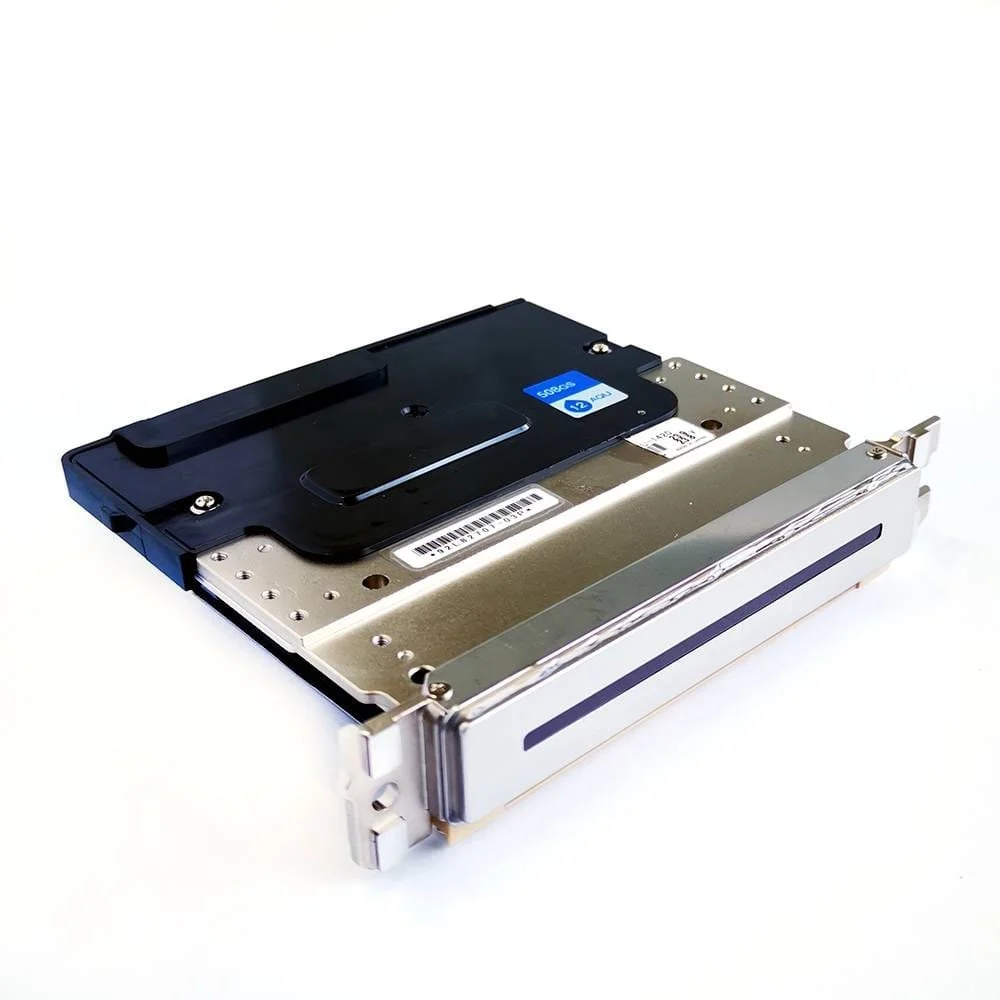
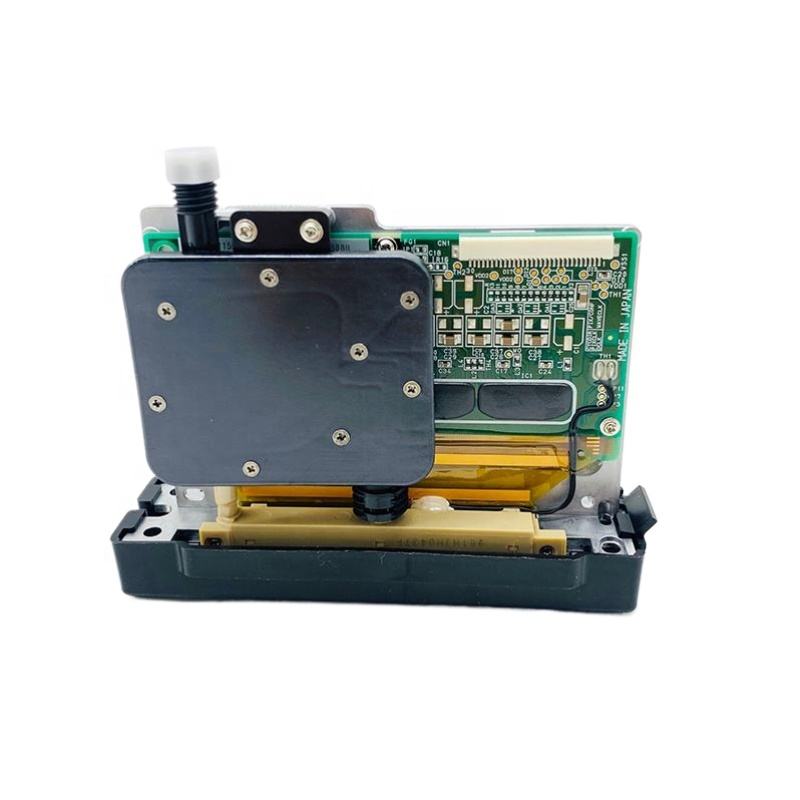
A printhead is the component that precisely ejects tiny droplets of ink onto the printing surface. Its nozzle arrangement, droplet control, firing behavior and ink compatibility have a direct role in the printer's output.
Industrial printheads use precisely controlled nozzles to deposit microscopic ink droplets onto different printing surfaces. The design of the printhead can influence resolution, print speed, consistency and overall output quality.
The printhead controls how ink droplets are placed onto the media.
Precise droplet placement contributes to detailed and consistent output.
Firing frequency and nozzle configuration can affect production capability.
Nozzle density and droplet control contribute to image detail and tonal transitions.
The printhead is one of the most important components in an inkjet printing system because it determines how ink is transferred to the media.
A suitable printhead needs to match the printer architecture, ink chemistry, required output quality and production conditions. The correct replacement is therefore more than simply choosing a head with the same physical size.
Indicates the total number of ink-ejection nozzles available on the printhead.
Helps describe how densely the nozzles are arranged across the printhead.
Smaller and variable droplets can support detailed tonal transitions.
A relevant specification when evaluating potential high-speed printing performance.
Defines the effective width covered by the printhead in a single pass across its nozzle area.
The head must be compatible with the ink chemistry used by the printer.
Physical compatibility alone is not enough; control and interface requirements also matter.
Epson and Seiko offer different printhead families designed around different ink technologies, printer architectures and industrial production requirements.
| Factor | Epson Printheads | Seiko Printheads |
|---|---|---|
| Common Families | I3200, I1600, XP600, TX800 and others | RC1536, SPT, Alpha and 508GS families |
| Application | Depends on specific model and ink version | Depends on specific model and printer system |
| Ink Compatibility | Model-specific | Model-specific |
| Best Selection Method | Match exact model, ink type and printer | Match exact model, ink type and printer |
Caldron Graphics currently lists several Epson printhead products for different industrial and large-format printing systems.
Caldron Graphics lists multiple Seiko printhead families for industrial, ceramic, solvent and high-production printing systems.
Epson's I-Series includes I3200 and I1600 families, with different versions designed for different ink technologies and application requirements.
Seiko industrial printheads such as RC1536, 508GS and SPT models are used in various compatible industrial printing systems.
Ink compatibility varies by printhead model. Always verify the manufacturer's specification and your printer's approved ink system before installation.
Used in compatible water-based industrial printing systems.
Used with compatible UV printing systems and applications.
Common in compatible wide-format signage and graphics printers.
Requires a printhead specifically designed for the printer's solvent ink system.
A nozzle check may show missing or weak firing patterns that require maintenance or diagnosis.
Visible horizontal or repetitive artifacts can have several causes, including printhead-related issues.
Inconsistent droplet firing or incorrect alignment can affect image quality.
Ink delivery, calibration, profiles and printhead condition can all influence output.
Use the printer manufacturer's recommended cleaning procedure and approved fluids.
Incorrect ink chemistry can create serious compatibility and reliability problems.
Capping, wiping and ink-delivery components should be maintained according to the printer service procedure.
Regular nozzle checks can help identify changes in firing performance early.
Keep temperature, humidity and workshop cleanliness within the printer manufacturer's requirements.
Printhead installation and electrical connections should be handled by appropriately trained technicians.
The best printhead is not necessarily the one with the highest nozzle count. It is the model that matches your printer architecture and production requirements.
Start with the printer model and its original printhead specification.
Confirm that the replacement head supports your ink chemistry.
Compare nozzle count, rows, resolution and print width.
Verify the control board, interface, cabling and drive requirements.
Dimensions and mounting must match the printer carriage and ink system.
Installation, calibration and troubleshooting support can be important when replacing industrial printheads.
Precisely ejects ink droplets according to the printing system.
Controls the printhead and transforms digital artwork into printed output.
Explore Printers →Quality output depends on the complete printing system, not only the printhead.
Used in compatible wide-format systems for signs, graphics and promotional media.
Suitable printhead families are used in commercial large-format printer systems.
Selected printheads are designed for compatible UV ink systems.
Industrial Seiko printheads are used in compatible ceramic printing systems.
Some PrecisionCore industrial printheads are designed for packaging and related applications.
Different printhead architectures support specialized industrial production systems.
A printhead is the component that ejects ink droplets onto the printing surface according to the printer's control signals.
The Epson I3200 is a PrecisionCore industrial printhead family. Different I3200 variants are designed for different ink technologies, so the exact suffix must be checked.
These variants belong to different ink/application configurations. Always match the specific printhead suffix to the printer and approved ink system.
SPT refers to a family of Seiko industrial inkjet printheads. Different SPT models have different nozzle counts, droplet sizes, print widths and ink compatibility.
There is no universal replacement interval. Actual service life depends on the printer, ink, maintenance, operating conditions, usage and printhead condition.
Not automatically. Physical dimensions, electronics, firmware, ink compatibility and carriage design all need to match. Confirm compatibility before making a replacement.
Explore Epson and Seiko printheads for compatible UV, solvent, eco-solvent, ceramic, packaging and industrial printing applications.